Over 40 legislators join delegation at WorldPride in Amsterdam
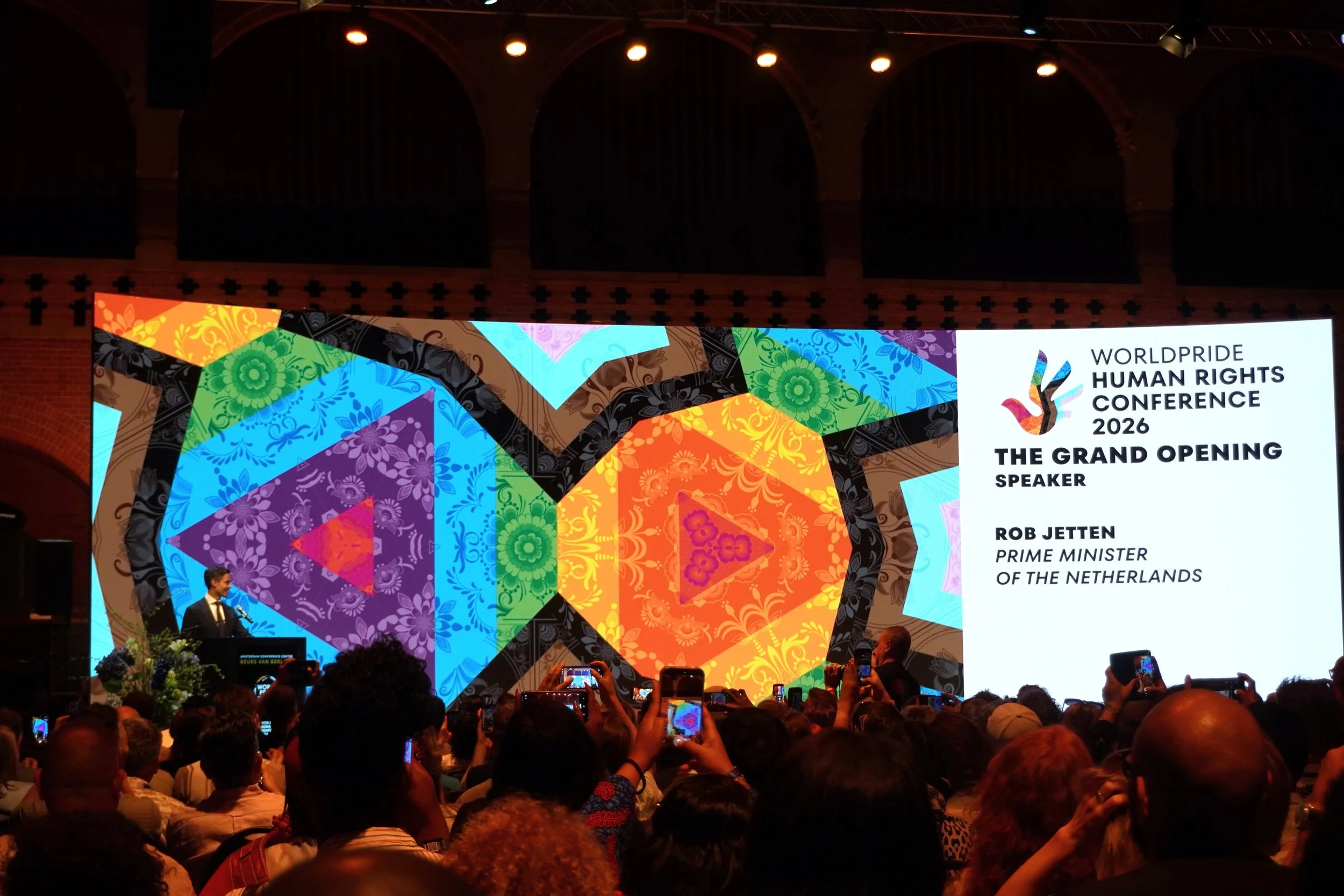
The Global Equality Caucus (GEC) has participated at WorldPride Amsterdam 2026, helping to facilitate the presence of over 40 legislators from over 20 countries to join a week-long programme focused on political collaboration to advance LGBT+ equality.
GEC worked with the LGBTQ+ Victory Institute, Parliamentarians for Global Action, and the Council for Global Equality to support the delegation, creating spaces for political dialogue, knowledge-sharing, and collective action.
With a wide-ranging programme including panel discussions, high-level meetings, legislative dialogues and networking opportunities with activists and community organisations, WorldPride provided an important opportunity to reflect on the progress made in advancing LGBT+ rights while addressing the challenges and political pushback facing equality movements globally.
A week of political leadership and global solidarity
The WorldPride Human Rights Conference (5-7 August) brought together leaders from different regions to explore how political leadership can help advance equality at the international, national, and local levels.
GEC’s participation focused particularly on the role of legislators in turning political commitments into meaningful action, from passing inclusive legislation and strengthening public health responses to mobilising resources and ensuring that LGBT+ communities are represented in decision-making.
The week encompassed a series of roundtables, receptions, meetings, and conference sessions, creating opportunities for legislators and civil society leaders to connect and build relationships. GEC members also participated in diplomatic and political dialogues, including discussions with government officials and representatives from international organisations.
Political Leadership Programme: From international institutions to local government
GEC curated the Political Leadership Programme at the human rights conference, which examined how decision-makers at different levels of government can work together to advance LGBT+ equality.
Political Leadership at the International Level
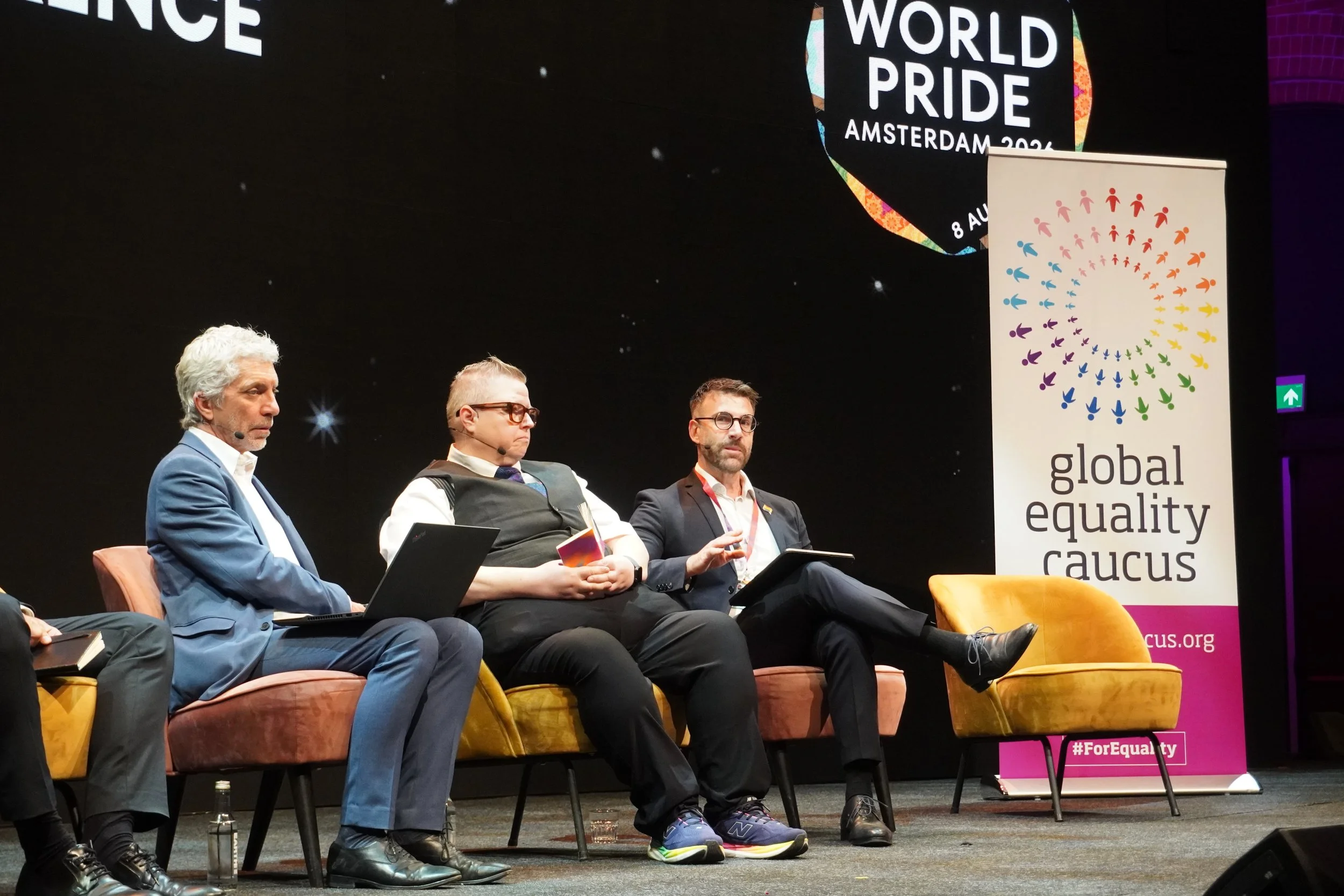
The day opened with a session focused on coordinated political action for LGBT+ rights at international institutions.
With perspectives from institutions including the United Nations, European Union, Council of Europe, and Organization of American States, the discussion explored how international institutions can support equality, protect human rights, and respond collectively to growing political and social pushback.
The session also featured an opening address from the Dutch Minister for Equality, setting the tone for a day centered on the importance of political leadership and international cooperation.
Political Leadership in Parliament
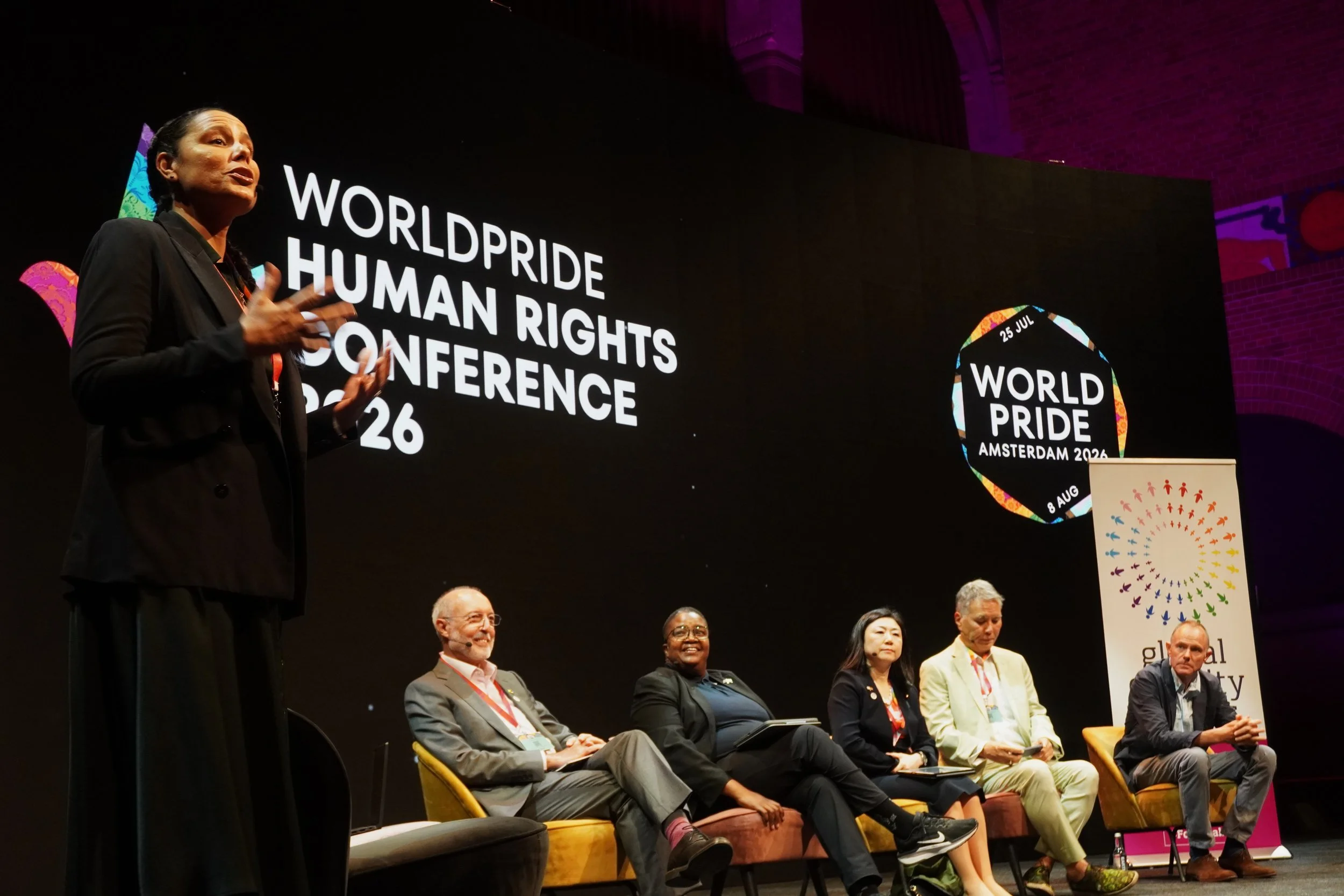
The session focused on the role of political leadership in advancing LGBT+ rights through legislative action and shaping political priorities for the future, bringing together parliamentarians from across the globe.
Moderated by Senator Janelle Chanona of Belize, the panel featured GEC Chair Lord Nick Herbert, South Africa's Deputy Minister for Equalities Steve Letsike, Member of the House of Representatives of Japan Karen Makishima, Leader of the Opposition in the National Assembly of Seychelles Bernard Georges, and U.S. Representative Mark Takano, who shared their perspectives on how parliamentarians can pioneer social change by leading from the front and building consensus on inclusive policies.
For GEC, bringing legislators together across regions and political systems is central to building a stronger global parliamentary movement for equality.
Political Leadership at the Subnational Level
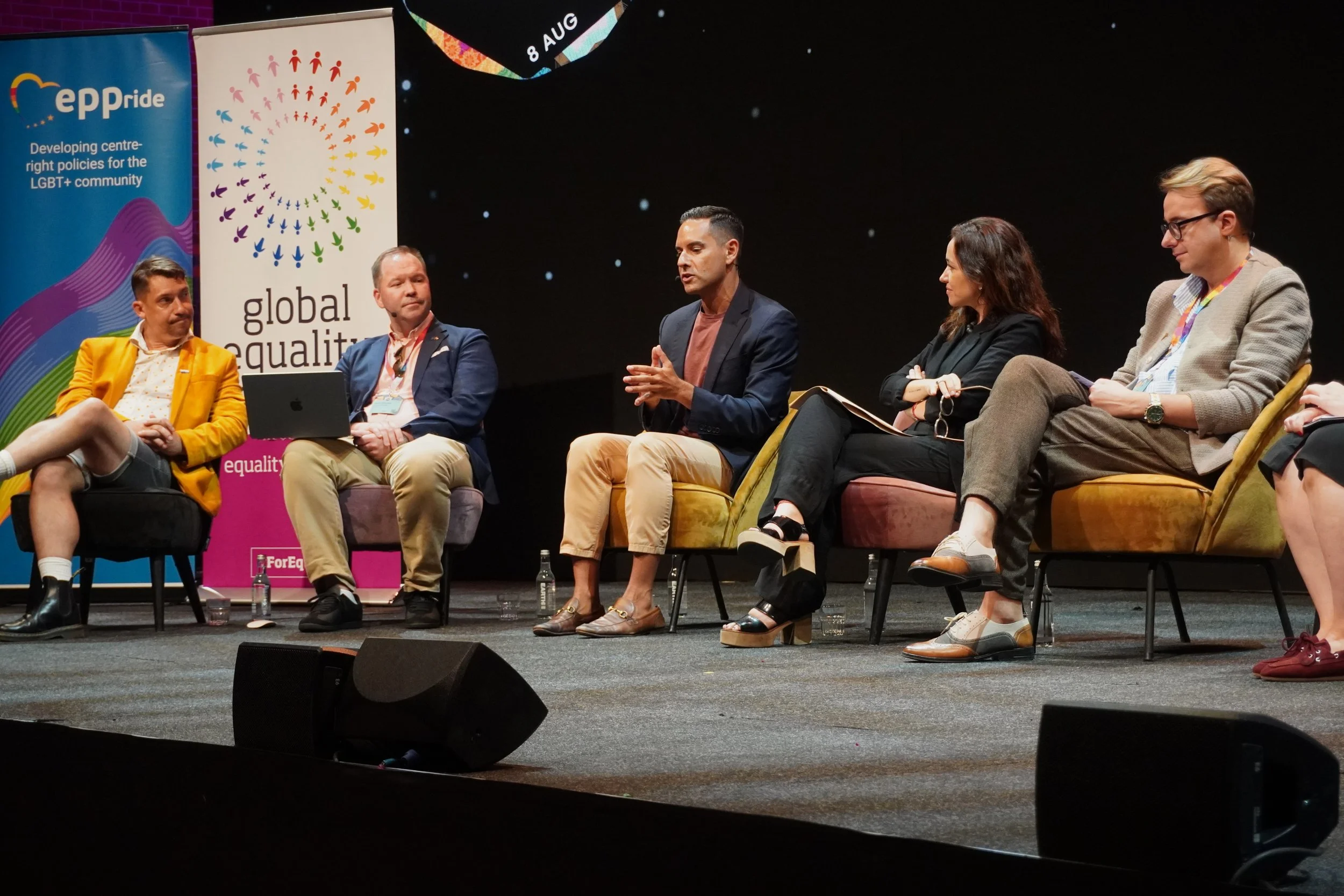
LGBT+ equality is not only shaped by national governments. Local and regional authorities play a critical role in determining whether communities can access their rights in practice.
Hosted by EPPride and LGBTI Liberals of Europe , featuring GEC Steering Committee member Alex Greenwich MP from the New South Wales Parliament, this session highlighted the vital role of local and community-level leadership in advancing LGBT+ equality. Bringing together speakers from local administrations and state parliaments, the discussion explored how local leaders can protect the rights of minority communities even when the national government is not on their side.
Political Leadership to Secure the Future
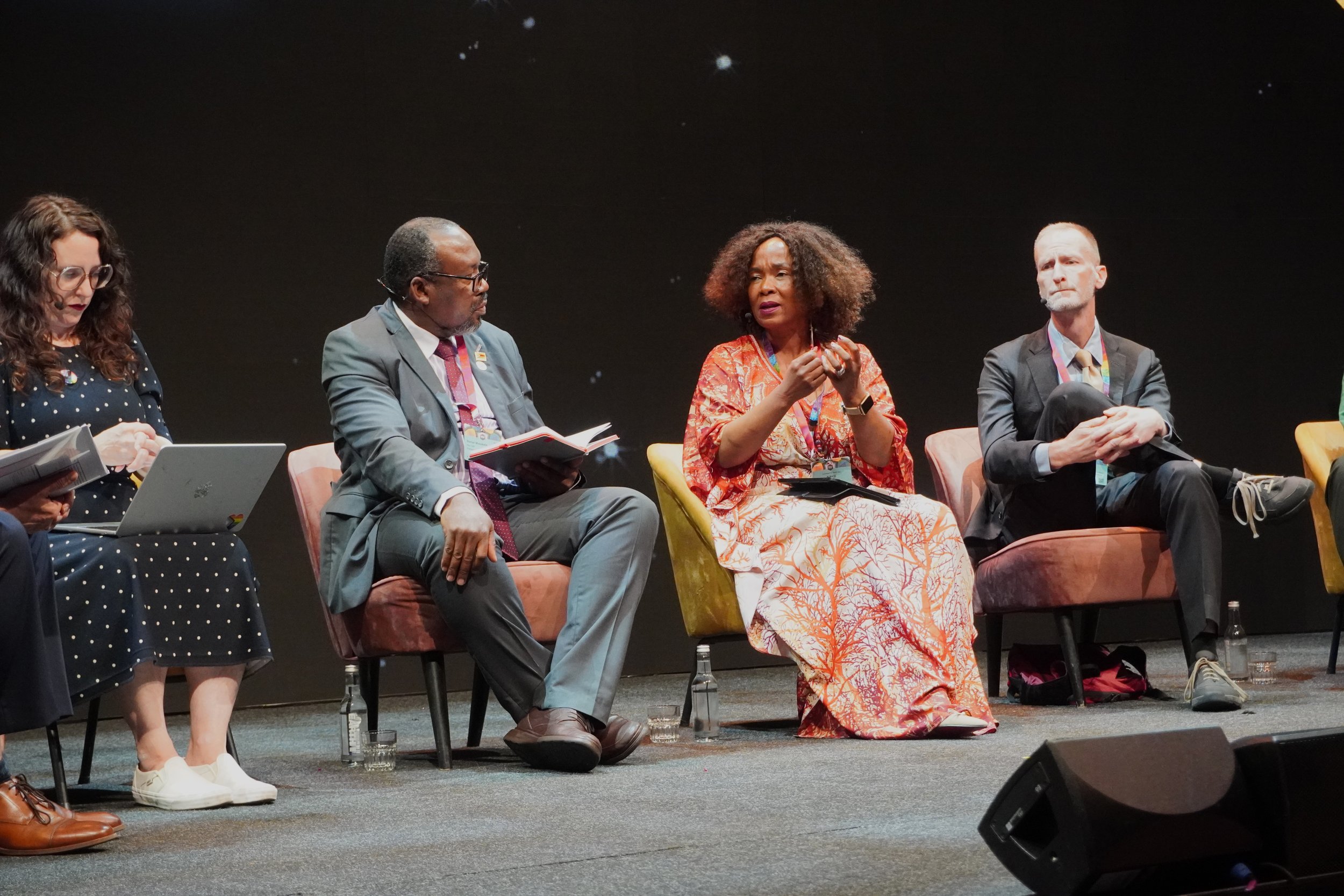
The day concluded with a discussion on how political leaders should build sustainability into development programmes to ensure equitable outcomes across areas including global health and democratic governance.
The session brought together perspectives from parliamentarians, civil society, and multilateral institutions such as UNDP and the Global Fund to consider how decision-makers can work together to create systems that are more inclusive, accountable, and responsive to marginalised communities, particularly at a time when international funding is being scaled back for initiatives such as those that address HIV inequalities.
Connecting legislators beyond the conference rooms
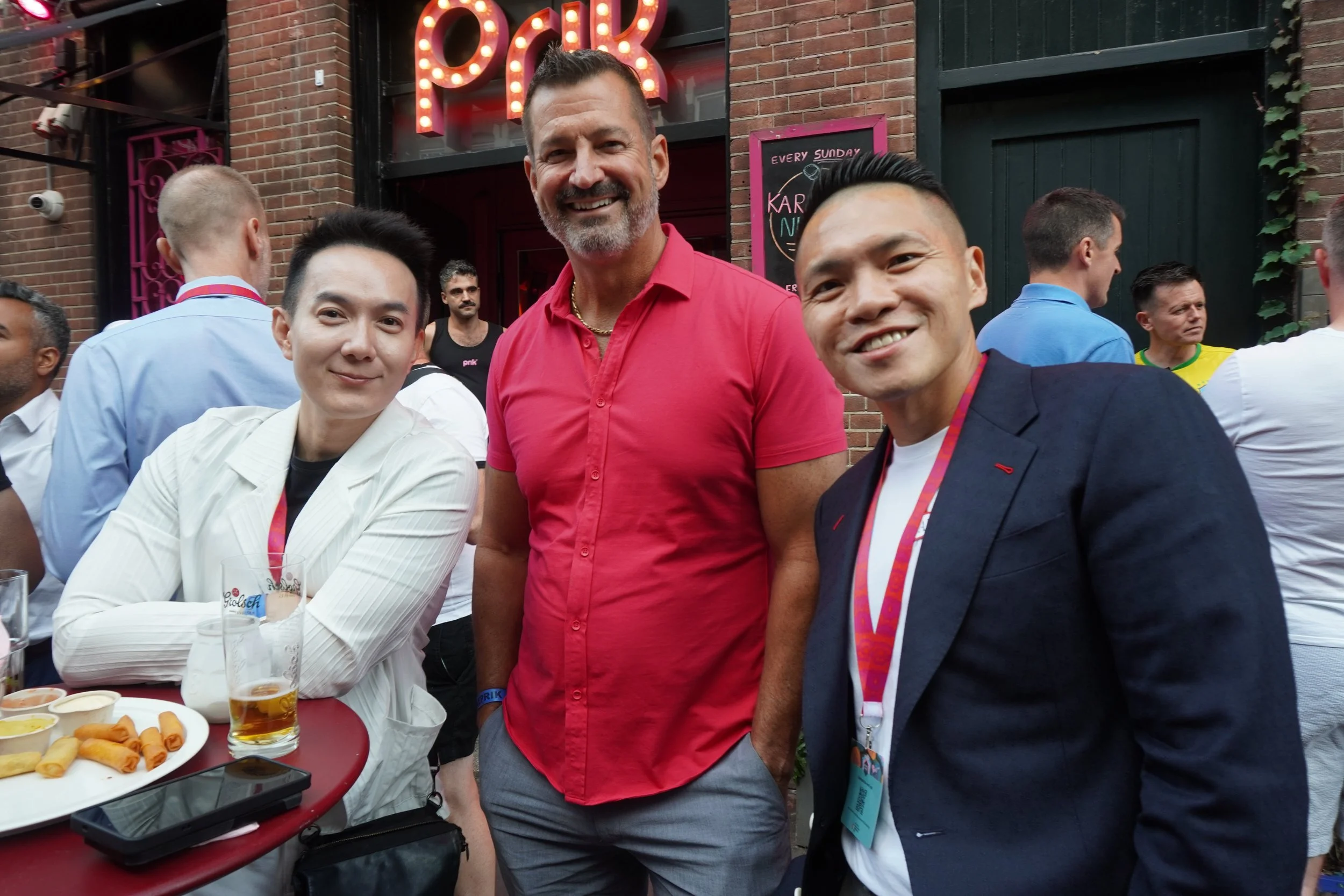
GEC and Equality PAC hosted a reception bringing together legislators and high-level officials at the end of the Political Leadership day. The informal gathering created space for participants to continue conversations, strengthen relationships, and build connections that can extend beyond WorldPride.
Mayor’s Welcome Reception for Visiting Dignitaries
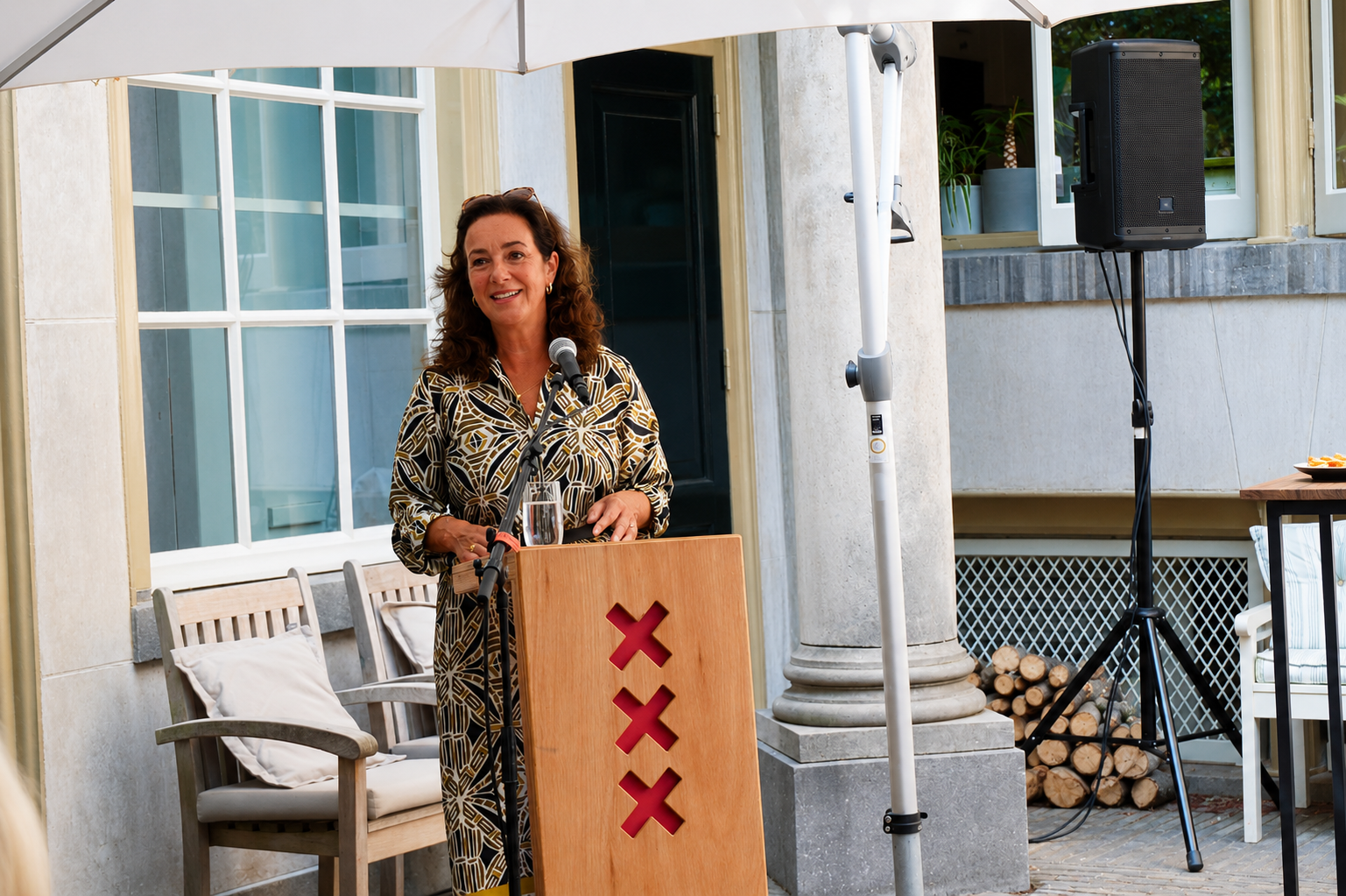
Legislators and visiting dignitaries were welcomed by the Mayor of Amsterdam at her official residence, bringing together international political leaders and guests for an opportunity to connect and celebrate their participation in WorldPride.
US Congressional Equality Caucus Cocktail Reception and Dinner
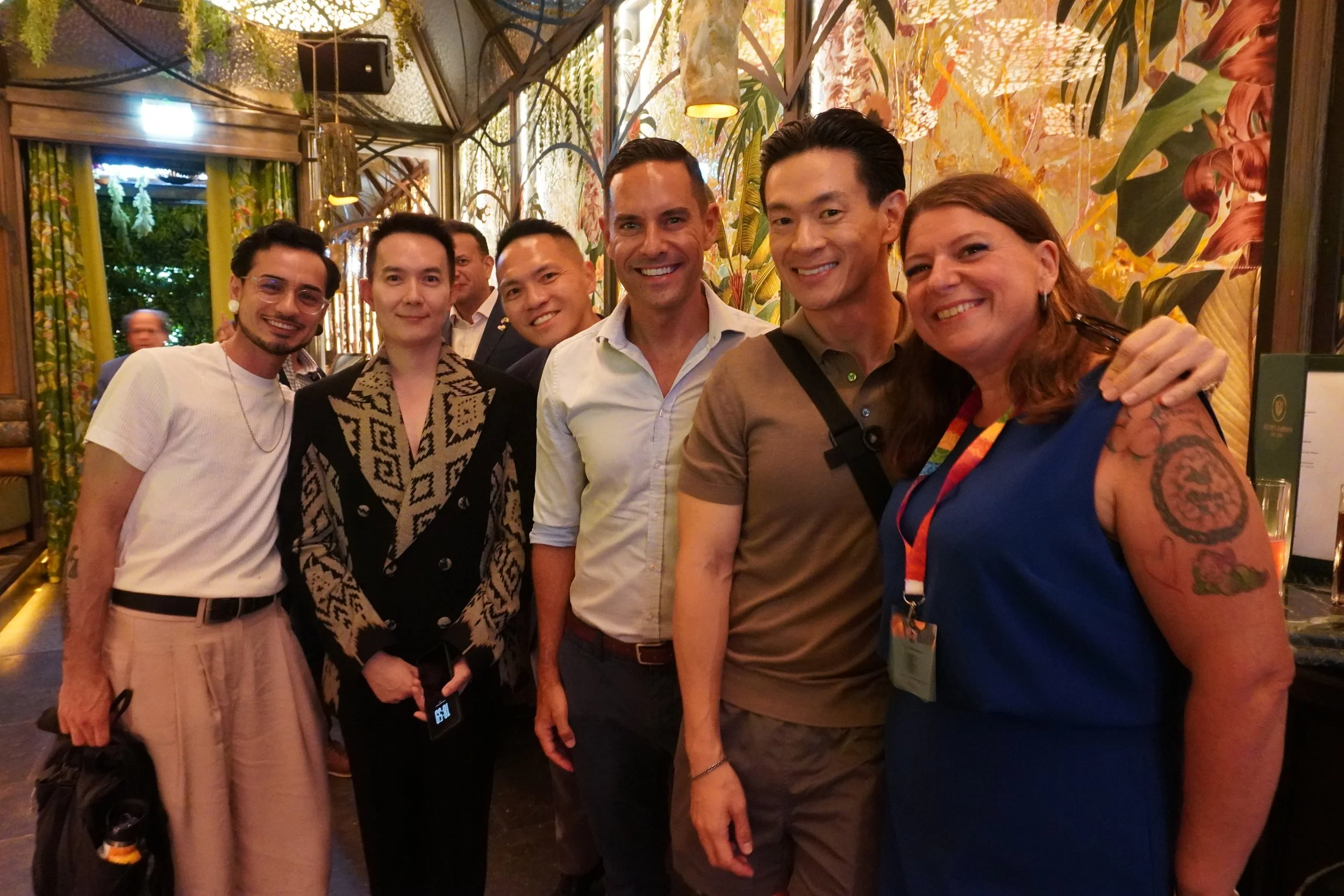
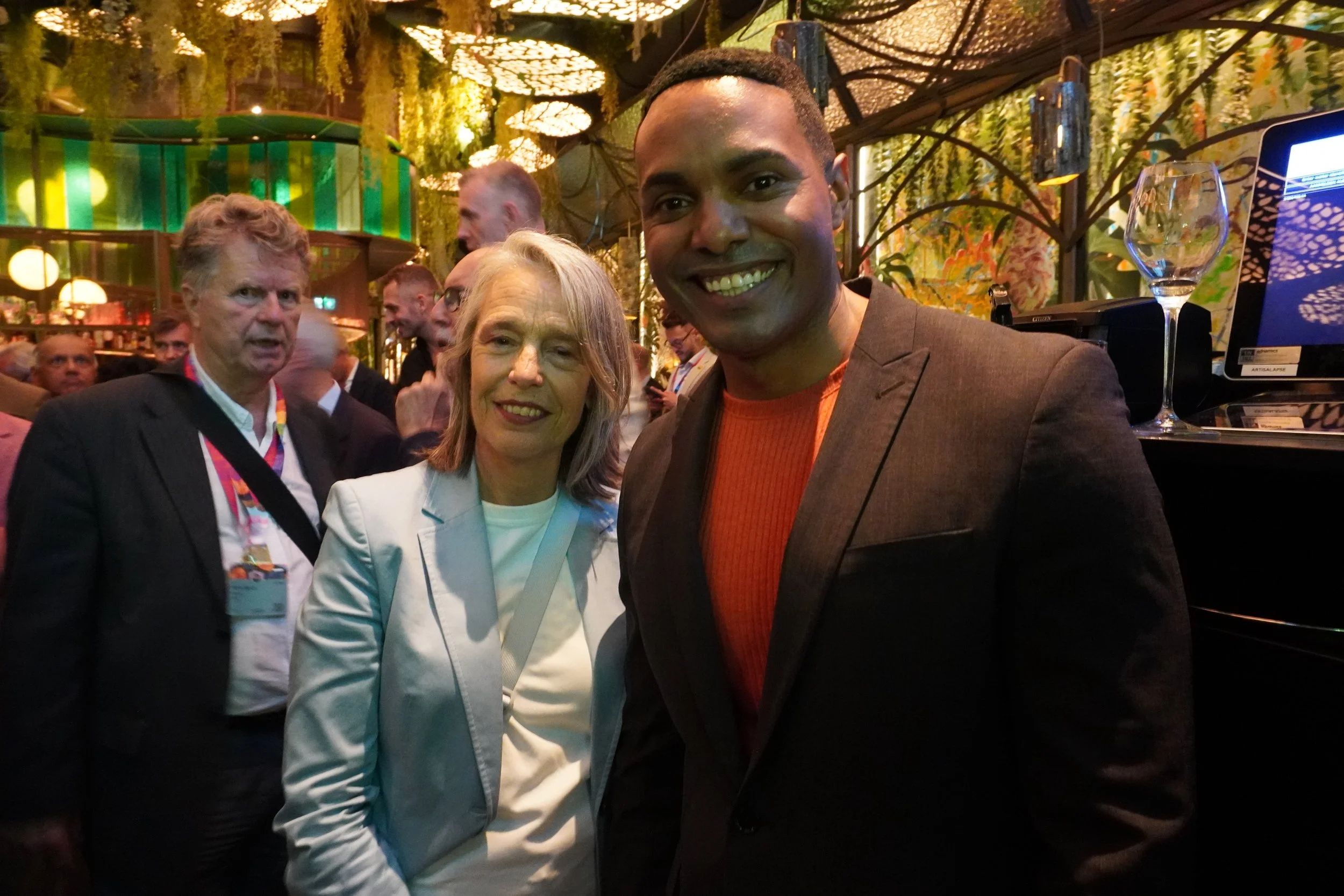
GEC and Equality PAC hosted a special reception and dinner for attending legislators and high-level officials, bringing the Political Leadership programme to a close. Hosted alongside members of the United States Congressional Equality Caucus, the evening provided space to continue conversations, strengthen relationships and build connections that can extend far beyond WorldPride.
The dinner also featured speeches from the Mayor of Amsterdam, the Minister for Equality, and U.S. Representative Ritchie Torres, highlighting the importance of political leadership, international cooperation and continued action to advance LGBT+ equality.
Visit to the Dutch Parliament
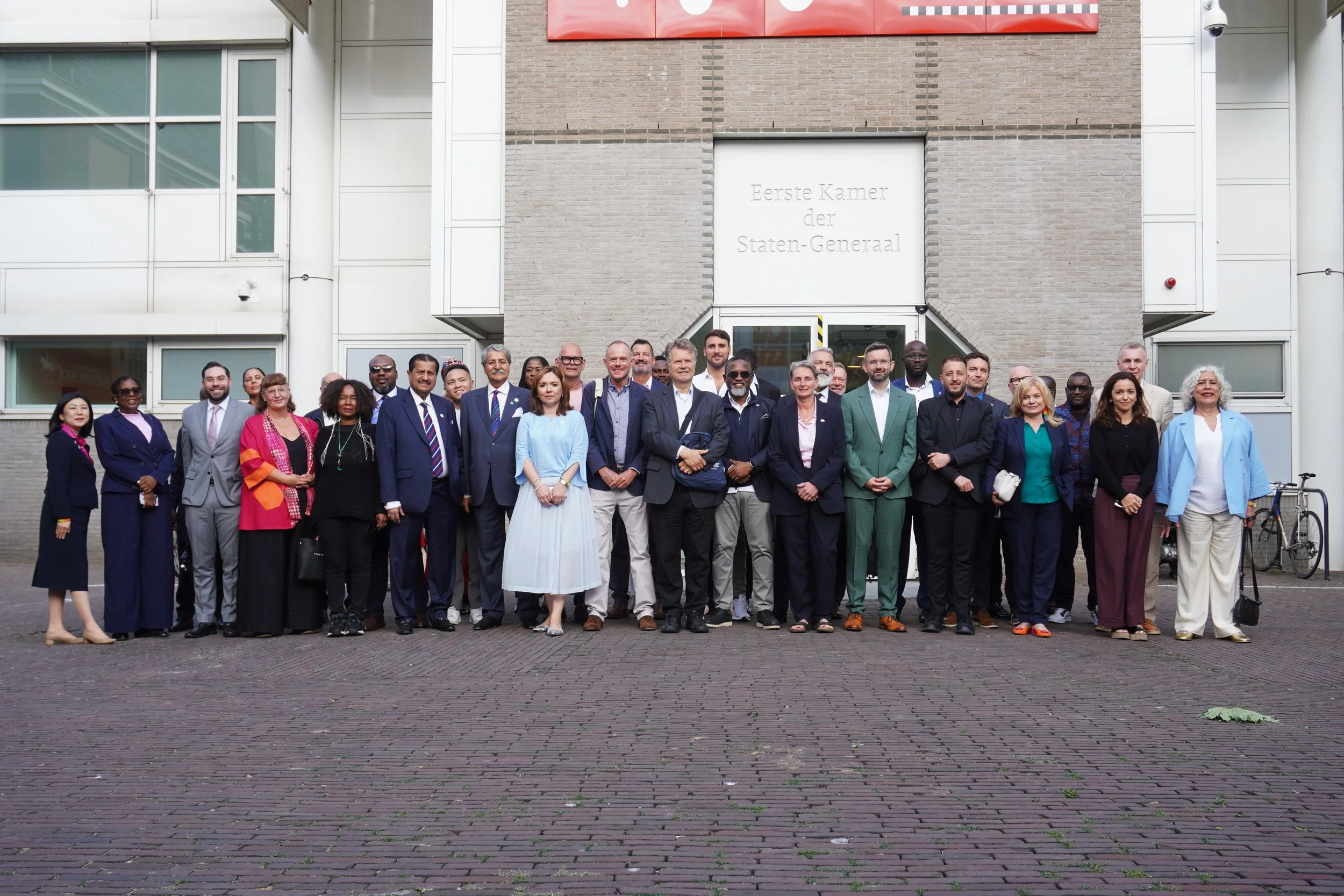
The delegation travelled to The Hague for a special Legislators’ Forum at the Dutch Senate, by invitation of Senator Boris Dittrich.
The visit provided legislators attending WorldPride with a unique opportunity to engage directly with the Dutch Parliament and contribute to a special debate on the progress and challenges facing global LGBT+ rights advocacy.
40 legislators sat on the floor of the temporary Senate chamber for a two hour session, featuring speeches and contributions from multiple representatives in a powerful moment for international cooperation and knowledge sharing.
Building connections across the global movement
The Global Equality Caucus was also proud to connect with organisations, legislators, activists, and advocates from around the world at the conference.
At the GEC booth, conversations ranged from legislative advocacy and political leadership to the challenges facing LGBT+ communities in different regions. Meeting people working on LGBT+ rights from different perspectives reinforced the importance of building bridges between political leaders, civil society, and community movements.
These connections are essential to ensuring that political advocacy remains grounded in the experiences and priorities of the communities it seeks to serve.
Marching together for equality
The week concluded with the WorldPride March, bringing together thousands of people in Amsterdam to celebrate LGBT+ communities and stand together for equality and human rights.
For GEC, participating in WorldPride was both a celebration and a reminder: progress is possible, but it requires sustained political leadership, strong movements, and international solidarity. From parliamentarians debating legislation to activists organising in their communities, from international institutions shaping global policy to local governments delivering services, advancing LGBT+ equality requires action at every level.